
ADHD and Overcommitting
"I can do this, this, and that." Famous last words, right?
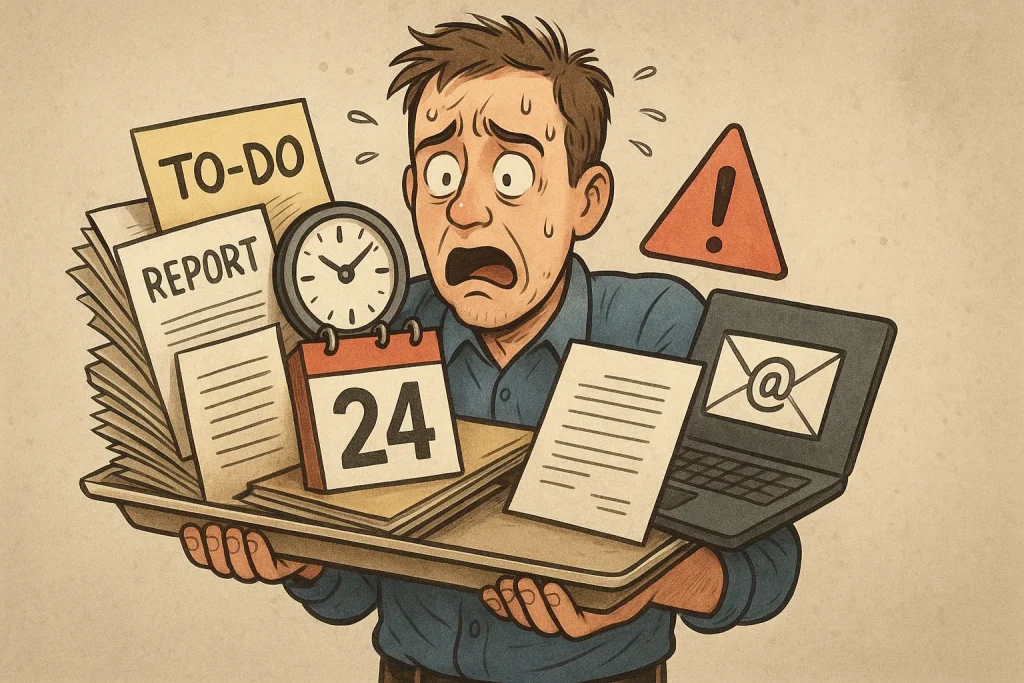
It always starts out so chill. You say yes to one thing, then another. Then, somehow, you’re juggling five different projects, three social obligations, a spontaneous hobby you picked up last week, and oh—you forgot to eat. Again.
ADHD has this sneaky way of making us feel like we can do *everything*. The energy rush we get when we say “yes” to something new can feel amazing. We’re not trying to be unrealistic; we’re genuinely excited and optimistic. In that moment, it feels doable. All of it.
Why Overcommitting Feels So Natural with ADHD
The ADHD brain craves stimulation. New tasks feel exciting. Starting something gives us that little dopamine kick we’re always chasing. So when an idea or opportunity shows up, our brain lights up like, “Yes, finally! Something interesting!”
The problem is, we often don’t feel the cost until later. We don’t realize we’re in too deep until we’re sitting in the middle of 17 tabs open across our mind (and probably our browser) wondering where the day went—and why we feel so drained.
The Link Between Overcommitting and Burnout
This kind of constant go-go-go can quietly lead to ADHD burnout. And it’s not always loud or dramatic. Sometimes it looks like suddenly ghosting everything you were excited about. Or lying in bed all day because your body and brain just said “nope.”
What makes it extra confusing is that the burnout can feel like it's coming out of nowhere—especially if you’re not tracking how much you’ve been piling onto yourself.
The “Forgot Why I Grabbed the Plate” Moment
There’s this thing I call the buffet effect. You go to a buffet, grab a plate, and by the time you reach the end of the line, your plate is piled high with stuff you didn’t even plan to eat. ADHD does that with commitments. We start with one task, and then we stack more and more until we’re overwhelmed and can't remember why we signed up for any of it in the first place.
It’s the same energy that fuels the cycle of starting a million projects and struggling to finish them. Sound familiar? If so, you might want to check out why you start projects but don’t finish them. It’s all connected.
Learning to Pause Before You Say “Yes”
Here’s something I’ve been trying lately, and it’s helped: when an idea pops up or someone asks me to do something, I mentally pause and ask myself, “Do I actually have the capacity for this right now, or am I just chasing the high of starting something new?”
Even just that tiny moment of checking in helps me say “yes” more intentionally. Not from fear of missing out, but from a place of, “Will this still feel good in two days when my brain is exhausted?”
Signs You Might Be Overcommitting
- You’re always tired, even when you “haven’t done that much”
- Tasks that used to feel fun now feel like pressure
- You’re constantly saying, “Sorry, I forgot!”
- You feel guilty when you rest, like there’s always something else you should be doing
If this sounds like you, it’s not about being lazy or bad at time management. It’s more about understanding how your brain operates and giving yourself permission to do less. Not because you’re incapable—but because you deserve to breathe.
So, What’s the Fix?
Honestly, it’s a process. I’m still learning it myself. But a few things have helped:
- Write stuff down before you say yes. Give yourself a second to visualize what your week already looks like.
- Build in buffer time. If you think something will take 30 minutes, assume it’ll take 90. That way, you’re not stacking things unrealistically.
- Say no, kindly and early. It’s better to gently decline now than to ghost later because you ran out of energy.
None of this is about being perfect. It’s just about being more honest with yourself, more often.
Final Thoughts
ADHD doesn’t mean you can’t do a lot—it just means you have to be a little more intentional about *when* and *how* you take things on. Overcommitting feels good until it doesn’t. And when it doesn’t, it hits hard.
So next time your brain says, “We can totally do all of this,” try responding with, “Cool. But should we?”