
ADHD and Relationships: Yeah, It's Complicated
Let’s be real for a second—managing relationships with ADHD can feel like trying to juggle flaming swords while riding a unicycle on a windy day. It’s not that we don’t care or that we’re bad partners. It’s just that our brains are often doing twelve things at once… and none of them include remembering to text back.
I’m lucky. I’ve been in a stable relationship for over five years now, which in ADHD time feels like a small miracle. But I know that’s not everyone’s experience, and if you’re single and wondering if a healthy relationship is even possible with ADHD—it is. You’re not broken, and you’re not destined to be alone just because your brain does things differently.
Why ADHD Can Make Relationships More Complicated
Okay, let’s talk through it. ADHD brings a lot of stuff to the relationship table:
- Forgetfulness – Yep, even important stuff. Birthdays. Anniversaries. What they said five minutes ago.
- Emotional intensity – Our feelings can hit hard and fast. Joy, anger, anxiety, all of it.
- Inconsistent attention – Hyperfocus one day, distracted the next. It’s not intentional. It just happens.
- Rejection Sensitivity – Even a tiny comment can feel like a personal attack. It’s exhausting, for both people.
None of this means we’re bad partners. But it does mean we need to be a little more intentional about how we show up in relationships—romantic or otherwise. And it helps a whole lot when we’re with people who understand how our brains work.
What’s Helped Me Stay in a Long-Term Relationship with ADHD
I wish I could give you a perfect formula, but let’s be honest—relationships are messy no matter who you are. Still, here are some things that have helped me and my partner stay connected even when my brain is doing cartwheels:
- Honest communication – This one’s huge. I try to let her know when I’m struggling, when I’ve forgotten something, or when I need a little more grace than usual. It’s not always easy to say, “Hey, my brain’s not cooperating today,” but it helps.
- Check-ins – Not formal therapy-style check-ins (though those are great too), but just little “how are we doing?” chats. They give us a chance to reset before things get weird or resentful.
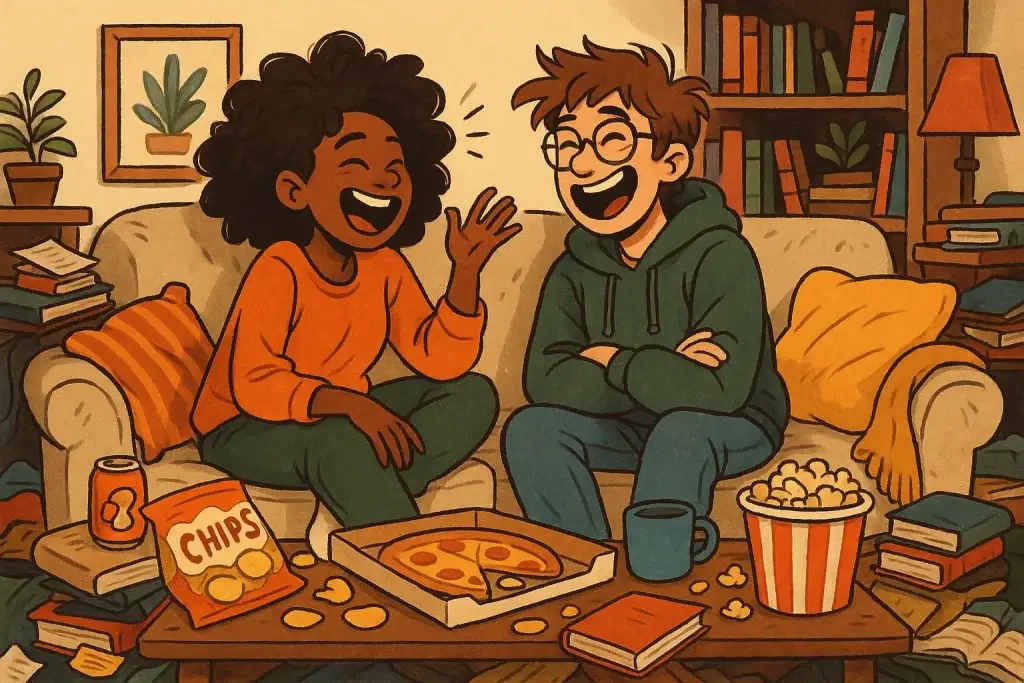
- Humor – We laugh about the chaos. A lot. It takes the edge off the hard stuff. Like when I totally forgot I was supposed to bring something important and we had to turn back halfway… again.
- Routines – I suck at routines, but the ones we’ve built together (like weekly date nights or morning coffee check-ins) keep us anchored.
Dating with ADHD: You're Not Hopeless, I Promise
If you're not in a relationship and feeling like ADHD is going to keep you single forever, I just want to say: nope. That’s not how this works. You’re not too much. You’re not too scattered. You just need someone who sees your patterns and still wants to dance in the mess with you.
Dating can be extra frustrating with ADHD. You might overshare on the first date, forget to respond to a text, or feel completely overwhelmed by the social energy it takes to get to know someone new. That’s normal. And it doesn’t mean you’re not lovable. It just means you’re navigating dating with a slightly different map—and that’s okay.
Friendships and Family Count Too
Romantic relationships aren’t the only ones that matter, by the way. ADHD can affect how we show up in friendships and with family too. Maybe you’re the friend who forgets to reply for weeks. Or the sibling who zones out mid-conversation. That doesn’t make you flaky. It makes you human—and ADHD human, at that.
One of the most powerful things I’ve learned is that when I let people in on how my brain works, most of them get it. Or at least try to. And that’s all you can ask for, really: people who are down to try, even when it’s not easy.
Final Thoughts
ADHD doesn’t make you unlovable. It doesn’t make you destined for failed relationships. It just means you’ve got a unique brain that sometimes needs a bit more communication, structure, and patience—from you and from the people you care about.
If you want to keep working on your relationship habits (or just understand why certain patterns keep showing up), check out our post on Why ADHD Makes You Overthink. It’s all connected. Or if you want to check out another article on Adult ADHD and relationships, check out this article.
And if you’re in the thick of figuring this out, I’m right there with you.