
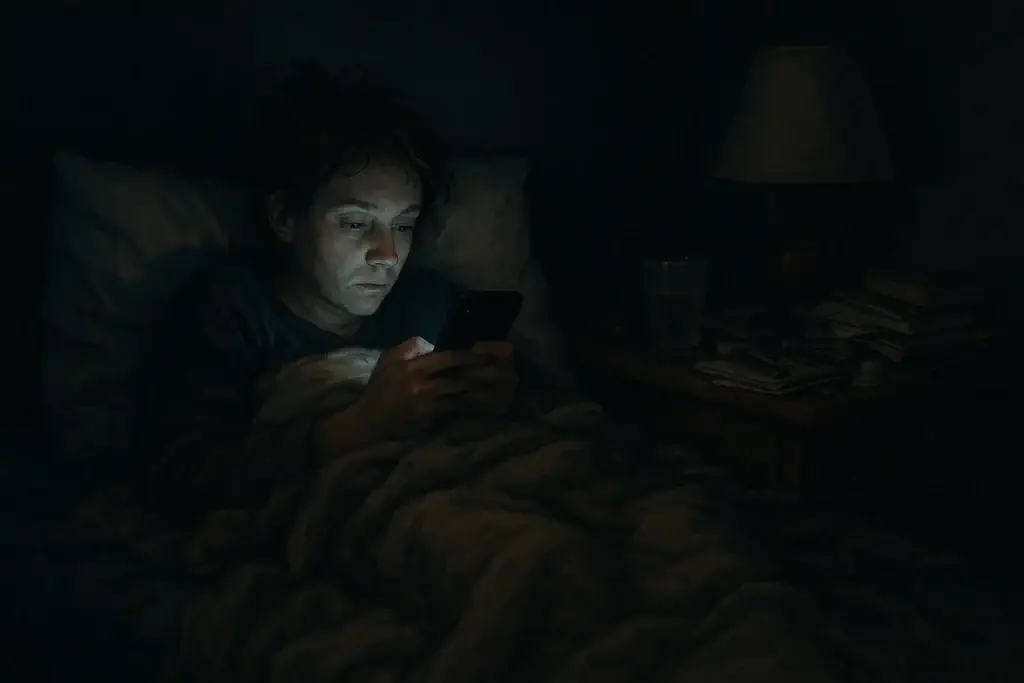
Sleep feels like a joke sometimes, doesn’t it? Like, I know I’m supposed to wind down at a reasonable hour and do all the good sleep hygiene things. But also—how do you expect me not to be watching YouTube at 3 AM when the algorithm just served me a video titled “What Happens If You Microwave a Black Hole?”
That’s the ADHD struggle in a nutshell. Sleep isn’t just hard—it’s an actual boss battle. And the worst part is, we know how important it is. We feel the crash. We want to fix it. But… here we are.
So yeah, sleep and ADHD? Not exactly besties. But let’s talk about it—and maybe figure out a few ways to make peace with the night.
Why Sleep Is So Hard with ADHD
If you’ve ever laid in bed, exhausted but unable to sleep because your brain suddenly decided it’s the perfect time to think about every conversation you’ve ever had—welcome. You are so not alone.
Here’s why sleep is especially tricky for ADHD brains:
We struggle with transitions. Going from “doing stuff” to “doing nothing” doesn’t come naturally.
Hyperfocus runs late. If we get locked in on something, time stops existing. Suddenly it’s 2:47 AM and we’re deep into a Wikipedia rabbit hole about ancient architecture.
Dopamine chasing. Scrolling, gaming, binge-watching… anything that keeps our brains stimulated feels so much easier than trying to just “shut down.”
Revenge bedtime procrastination. This one’s real. We didn’t get enough time for ourselves during the day, so we “take it back” at night—even if it screws us over the next morning.
And yeah, all of that together makes sleep feel like something we have to earn instead of something we just get to do.
Stuff That Might Actually Help (And Doesn’t Suck)
I’m not here to tell you to meditate for an hour and then journal under the moonlight while sipping chamomile tea—unless that actually works for you. These are just some real things I’ve tried (or am about to try) that don’t make me want to scream.
1. Low-Dopamine Wind-Down Activities
Your brain’s looking for stimulation. So if you don’t give it something, it’s gonna reach for your phone.
Try switching to analog things at night.
Physical books, puzzles, coloring, stretching—stuff that’s calming but not boring.
You can still watch stuff, but maybe… don’t start a 9-part documentary series at 11 PM.
2. Create a Shutdown Ritual
I hate the word “routine” sometimes, but ritual feels cooler.
Turn off overhead lights.
Change into cozy clothes.
Put on one specific playlist or scent you only use at night.
Signal to your brain, hey, we’re landing the plane now.
It doesn’t have to be perfect. Just consistent enough that your brain starts to get the hint.
3. Use Alarms Backward
Instead of just setting a wake-up alarm, try setting wind-down alarms:
10:00 PM – Stop stimulating activities
10:30 PM – Start cozy routine
11:00 PM – In bed, no phone
It’s like a countdown to sleep. And it works way better than just lying there, hoping sleep shows up like a surprise guest.
4. Make the Bed a No-Stress Zone
If you can’t sleep, don’t make your bed the battleground. Get up, do something quiet (dim lights, calming vibes), then try again.
Don’t just lie there getting more and more stressed about not sleeping. That’s a fast-track ticket to No-Sleep Town.
When Sleep Fails Anyway (Because It Will Sometimes)
Even with all the tricks, some nights are still gonna suck. ADHD doesn’t disappear just because you lit a candle and drank sleepytime tea.
When you have a bad sleep night:
Don’t beat yourself up. Genuinely.
Try to get some sunlight in the morning.
Move your body a little, even if it’s just a walk.
Keep the next night low-pressure. No revenge binging. Just… chill.
Sleep is a rhythm, not a pass/fail test. You’ll have off days. That doesn’t mean you’re failing at managing ADHD. It just means you’re human.
Time blindness is a real problem with ADHD. It affects your sleep more than you think. For more info, check out our post on how to beat ADHD and Time Blindness.
Final Thoughts
ADHD and sleep are not natural friends. But they can coexist—kind of like a cat and a dog that tolerate each other for the sake of the household.
It’s not about being perfect. It’s about understanding how your brain works at night, and then trying little experiments until something sticks.
So here’s the question I’m sitting with tonight:
What would make winding down actually feel good, instead of like punishment?
And hey, if you figure that out, let me know. I’m still working on it too.
If you want more strategies to manage your sleep, check out this WebMD article.