
Why ADHD Makes You Restless at Night—and How to Finally Sleep Better
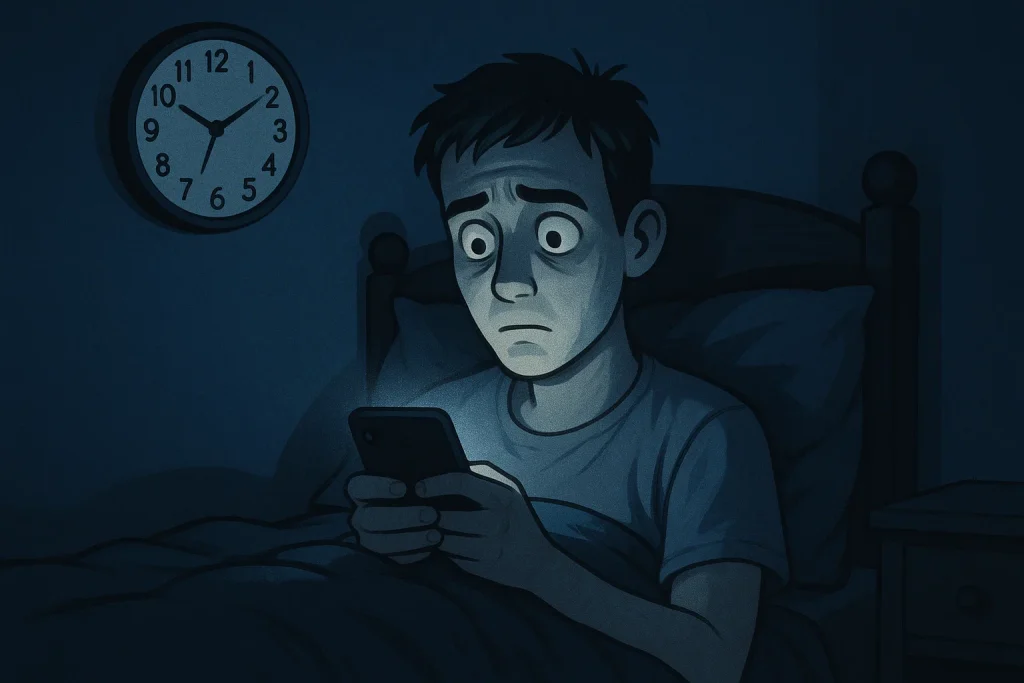
Okay, so picture this. You're lying in bed. It’s late (like, very late), and you know you should be asleep. But instead, you're just... scrolling. Your thumb hurts, your eyes are dry, and somehow it's already 4:13 AM. No idea what you've even been looking at. You're just there, fully locked in on nothing. And then boom—suddenly you're aware of how tired you are and how far you've drifted from your original “I’ll just check one thing” plan. Welcome to nighttime with ADHD.
I’ve been there more times than I can count. And the shame that comes after? Yeah, it’s real. But here’s the good news: this pattern doesn’t have to be permanent. Restlessness at night is a super common ADHD thing, but it’s not untouchable. It just takes some patience, a little strategy, and a willingness to try again when you inevitably fall off the sleep wagon.
Why ADHD Messes With Sleep in the First Place
ADHD isn’t just about attention or hyperactivity—it’s about regulation. Emotional regulation, energy regulation, even sleep regulation. Our brains don’t always get the memo when it’s time to wind down. Instead of slowing down at night, we often get hit with a second wind. Ideas start flowing, TikToks suddenly become fascinating, and sleep? It can wait.
This restlessness is tied to executive dysfunction. Basically, the part of the brain that helps with decision-making and impulse control is working overtime (or not at all). So when it’s time to go to sleep, our brain is like, “Cool story, but have you considered watching YouTube shorts for 2 hours?”
There’s also something called delayed sleep phase syndrome, which is just a fancy way of saying your internal clock might be totally out of sync with the world’s expectations. According to the ADHD in Adults guide from the National Institute of Mental Health, sleep issues are deeply intertwined with ADHD—even if they don’t always get talked about as much.
How to Actually Get Better Sleep With ADHD
I’m not here to promise some miracle cure. But I can tell you what’s helped me—and what I’ve seen help others. Some of it’s basic, but that doesn’t make it easy. And sometimes we just need to be reminded.
1. Give Your Brain a “Landing Strip”
Transitioning into sleep can feel like landing a plane, and ADHD brains need a longer runway. Set a time where you start your “wind down” routine, even if you're not sleepy yet. That could be stretching, brushing your teeth, making tea, or journaling literally one sentence. Doesn’t matter. The point is: signal to your brain that you’re shifting gears.
2. Remove Friction (And Maybe Your Phone)
Look, I love my phone. But keeping it out of reach after a certain hour has saved me more than once. If it's on the other side of the room, I can't just unconsciously grab it. And if you still need it for alarms or sleep sounds, put it in “Do Not Disturb” and use apps that limit access to social media after a certain time.
3. Make Your Environment Boring (In a Good Way)
Dark, cool, quiet. That’s the sweet spot. If your room is overstimulating or full of distractions, your brain will find excuses to keep going. Try blackout curtains, a white noise machine (or a fan), and maybe even some lavender spray if you’re feeling fancy. You want your space to tell your brain: “This is where we chill.”
4. Be Kind to Yourself When You Slip
Because you probably will. You’ll fall into old habits. You’ll doom scroll again. It’s not a failure—it’s just part of the process. ADHD and self-blame go hand in hand, but if you can treat your sleep journey with compassion, you’ll get better at resetting without spiraling. That mindset shift alone can make all the difference.
How It Ties Into the Bigger ADHD Picture
This whole sleep thing? It’s not isolated. It connects to your energy, your mood, your ability to focus the next day, and how you show up in the world. Struggling with sleep might even be one reason why you start projects but don’t finish them. If your brain is running on fumes, it makes sense that following through on ideas becomes harder.
When I finally started taking my rest seriously, I noticed I had more mental space. Not perfect focus, but enough clarity to ride my ADHD waves instead of getting thrown off by them. It didn’t happen overnight (pun absolutely intended), but it did happen.
Last Thoughts Before Bed (Literally)
If your nights are restless, you’re not broken. Your brain’s just playing by different rules. But you can work with it. With a few small changes and a lot of patience, you can actually start looking forward to sleep again. Imagine that.
And if tonight ends in another 4 AM scroll session, just know I’ve been there. Close the app, take a breath, and try again tomorrow.