
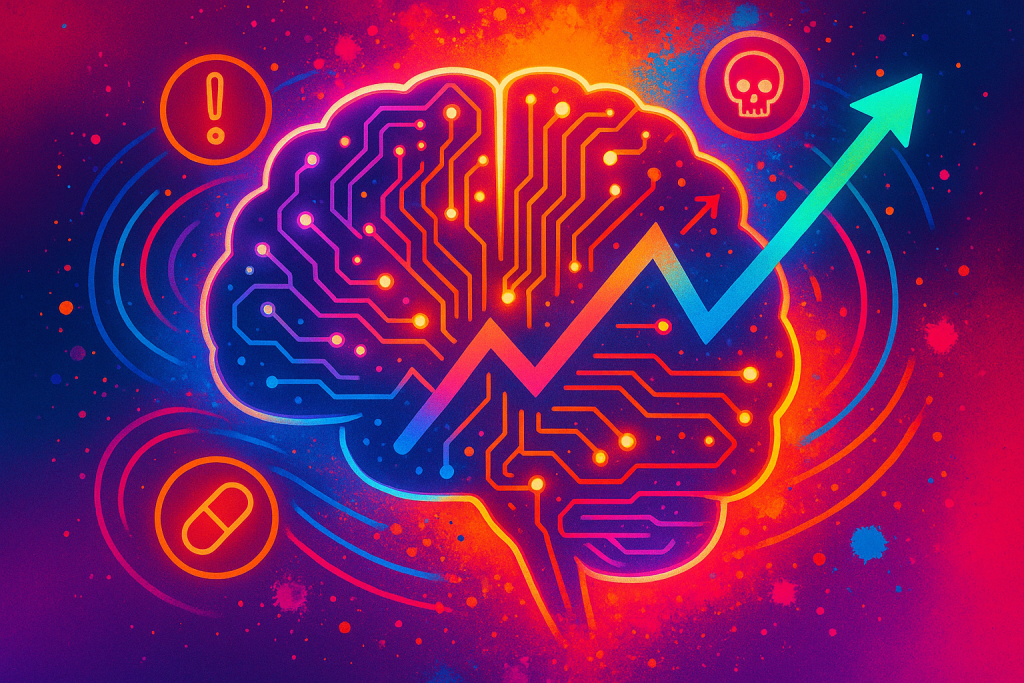
Wondering if people with ADHD take more risks with drugs and alcohol? Let’s dive in. We’re chatting about ADHD, substance use, and risk—digging into what the latest studies say and how this sneaky combo can affect our daily lives. Spoiler: caffeine’s a player too.
ANSWER: Yes, there’s a connection. ADHD can lead to increased risks with substance use, but the key is understanding what’s at play—correlation vs causation.
Do People with ADHD Take More Risks with Drugs and Alcohol?
Folks with ADHD often find themselves drawn to risky behaviors, including drug and alcohol use. The impulsivity and search for stimulation are real. Studies suggest a correlation, not necessarily that ADHD causes drug or alcohol dependence, but the allure is there.
How Does ADHD Affect Drug and Alcohol Use Risk?
ADHD might ramp up that thrill-seeking vibe, making substances like alcohol or weed seem extra tempting. The brain craves the dopamine rush, and sometimes, our decision-making ain’t exactly top-notch. But hey, you’re not alone.
What Do Latest Studies Say About ADHD and Substance Use?
Recent research (Relationship between ADHD and Substance Use) highlights this link. While drugs and alcohol might offer short-term calm, the long-term effects often backfire. Understanding this can be the first step in managing habits and reducing risks.
ADHD and Alcohol Risk Explained for Beginners
Alcohol, like coffee, seems harmless until it’s not. With ADHD brains, moderation is key—easier said than done, right? Recognize the patterns, know your triggers, and have a plan that doesn’t involve just willpower.
- Recognize the urge.
- Find non-substance alternatives for stimulation.
- Get support when needed.
How to Manage ADHD and Avoid Risky Substance Use
Building routines to avoid risky behaviors? Start small. Focus on one change, like cutting back on impulse spending. Check out these Impulse Spending Traps with ADHD tips. Awareness and little tweaks can steer you away from the edge.
Frequently Asked Questions
Q: Can ADHD lead to drug dependency?
A: ADHD increases risk but doesn’t seal your fate. It’s about managing impulses and finding healthier outlets.
Q: Should caffeine be a concern?
A: For some ADHD brains, totally. It can mimic or amplify restlessness, so tread carefully.
Q: Is help available?
A: Absolutely. Whether it’s therapy, support groups, or personalized plans, there’s support for a non-risky path forward.
So, where does this leave us? Recognizing these patterns is only half the battle. Consider examining your personal habits—like a caffeine check-in. Take it one sip at a time, literally and metaphorically.