
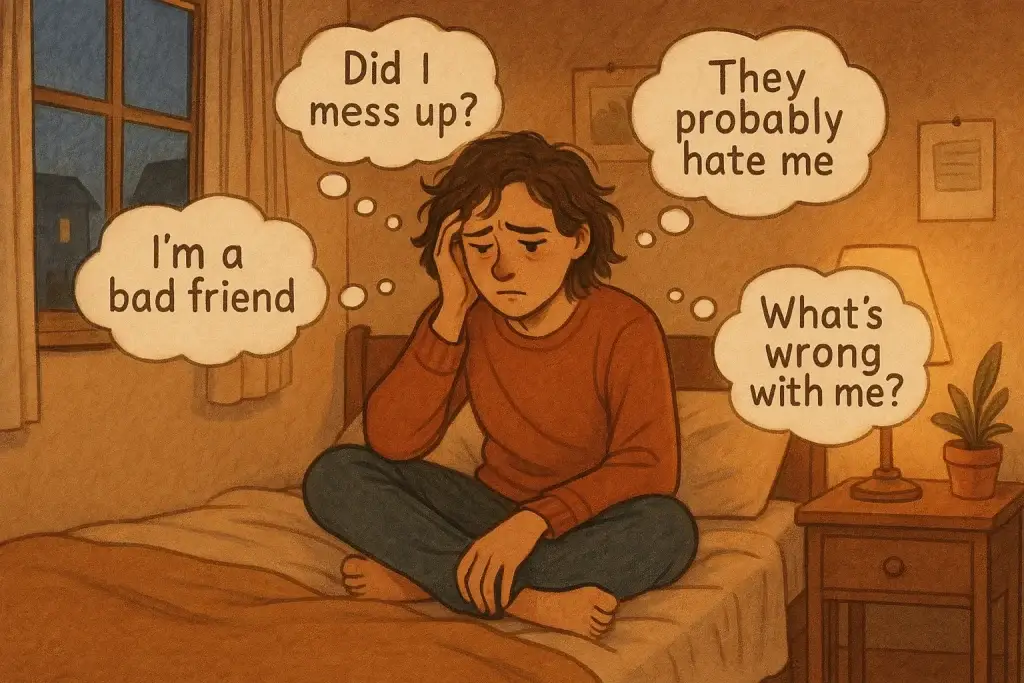
Rejection sucks. Full stop.
But rejection sensitivity in ADHD? That’s a whole other beast. It’s not just “ugh, I feel bad someone didn’t like my idea.” It’s “I want to crawl into a hole and rethink my entire existence because someone raised an eyebrow at the wrong time.”
Sound dramatic? Yeah. It is. But it’s also real. And if you know, you know.
I can’t even stay on Reddit too long sometimes because some rando with a superiority complex will say something dismissive or condescending, and suddenly I’m spiraling. Not even mad—just hurt. Deeply. For hours. Or even days, depending on where I was at mentally.
This is rejection sensitivity. And it’s a big deal for ADHD brains.
What Even Is Rejection Sensitivity?
Rejection Sensitivity (technically called Rejection Sensitive Dysphoria, or RSD) is this super intense emotional reaction to perceived rejection, criticism, or disapproval. I say “perceived” because it doesn’t even have to be real rejection—just something that feels like it.
It can look like:
Feeling crushed after someone disagrees with you
Overanalyzing text messages (why did they say “ok” and not “okay”? 😬)
Avoiding conversations altogether because the potential for rejection feels unbearable
Thinking “they must hate me” after one weird interaction
Spiraling after minor criticism, even if it was meant to be helpful
And it’s not about being weak or overly sensitive. It’s about how your nervous system reacts to social threat. If you’ve got ADHD, your emotional regulation system is wired a little differently. So that “sting” of rejection? It’s like getting hit with a taser when everyone else just feels a paper cut.
Why ADHD Makes It Worse
ADHD already comes with a cocktail of emotional intensity, impulsivity, and low dopamine. Mix that with a brain that’s super attuned to feedback (especially negative feedback), and boom—you’ve got a perfect storm for rejection sensitivity.
Here’s what makes it extra tricky:
Emotional regulation is harder with ADHD, so big feelings stay big longer.
Low self-esteem is common, especially if you’ve been told you’re “too much,” “not enough,” or “lazy” your whole life.
Rejection often hits the identity level—we don’t just feel bad about what happened, we feel bad about who we are.
That last one is key. If someone says “I disagree,” our brains can sometimes translate that into “you’re a failure and no one likes you.” Which… yeah. Not super fun at parties.
What Helps (And What Makes It Worse)
First things first: you’re not broken. Rejection sensitivity is very real, and you’re not alone in it. That said, there are a few things that can either fuel it or soften the blow.
Stuff That Makes It Worse:
Overexposing yourself to toxic spaces (looking at you, Reddit comments 👀)
Bottling things up and pretending they don’t bother you
Trying to “toughen up” instead of learning to soothe yourself
Surrounding yourself with people who don’t get it (and don’t try to)
Stuff That Actually Helps:
Name it. Just knowing “this is rejection sensitivity, not reality” helps create some distance.
Talk about it. With friends. With a therapist. Even in your journal. Get it out of your head.
Reframe it. Instead of “they don’t like me,” try “they’re allowed to disagree, and that doesn’t define me.”
Set boundaries with triggering environments. You don’t have to read every comment or respond to every DM.
Self-soothing techniques. Breathwork, affirmations, music, movement—whatever helps your nervous system chill.
Overthinking is a big part of ADHD and Rejection Sensitivity. Check out our post on Why ADHD Makes You Overthink for more info!
You’re Not “Too Sensitive.” You’re Wired Different.
This part’s important.
You’re not weak for feeling rejection more deeply. You’re not dramatic. You’re not childish. You’ve got a brain that experiences social threat more intensely, and that’s just part of the deal.
It doesn’t mean you can’t grow, or get better at handling it—but it does mean you need to be kind to yourself when it shows up. Shame doesn’t help. Compassion does.
Some people might never fully understand what it feels like to be shattered by something “small.” And that’s okay. You don’t need to downplay it just to fit in.
Final Thoughts
Rejection sensitivity in ADHD is real, exhausting, and honestly kind of rude. But it’s also something you can work with, understand, and learn to manage.
Start by noticing it. Name it when it happens. Don’t let it define your self-worth. And remember: you’re allowed to care deeply and still protect your peace.
If you want to read more about RSD, check out this post.
So… what would change if you stopped calling yourself “too sensitive,” and started treating yourself like someone who just feels things a little more? 🧠💛