
Is It Really ADHD, or Are Teens Just Burnt Out and Misunderstood?
Quick Answer: The rise in teen ADHD self-diagnosis is being driven by increased awareness, TikTok content, and a generation that’s deeply burnt out. Some teens do have undiagnosed ADHD—but others are reacting to chronic stress, unrealistic expectations, or a need to feel seen. Either way, the key is curiosity, not judgment.
Key Facts
- ADHD diagnoses in teens have increased significantly in the past decade (NIH, 2024).
- Social media platforms like TikTok contribute to higher self-diagnosis rates (NCBI, 2024).
- Teen stress and anxiety levels have reached all-time highs post-pandemic (CDC, 2023).
- ADHD and burnout can share symptoms like brain fog, distraction, and low motivation (CHADD, 2023).
- Many teens report feeling misunderstood, overstimulated, and emotionally overwhelmed (APA, 2023).
- Mislabeling normal stress as a disorder can delay helpful interventions (NIH, 2023).
Why So Many Teens Think They Have ADHD Right Now
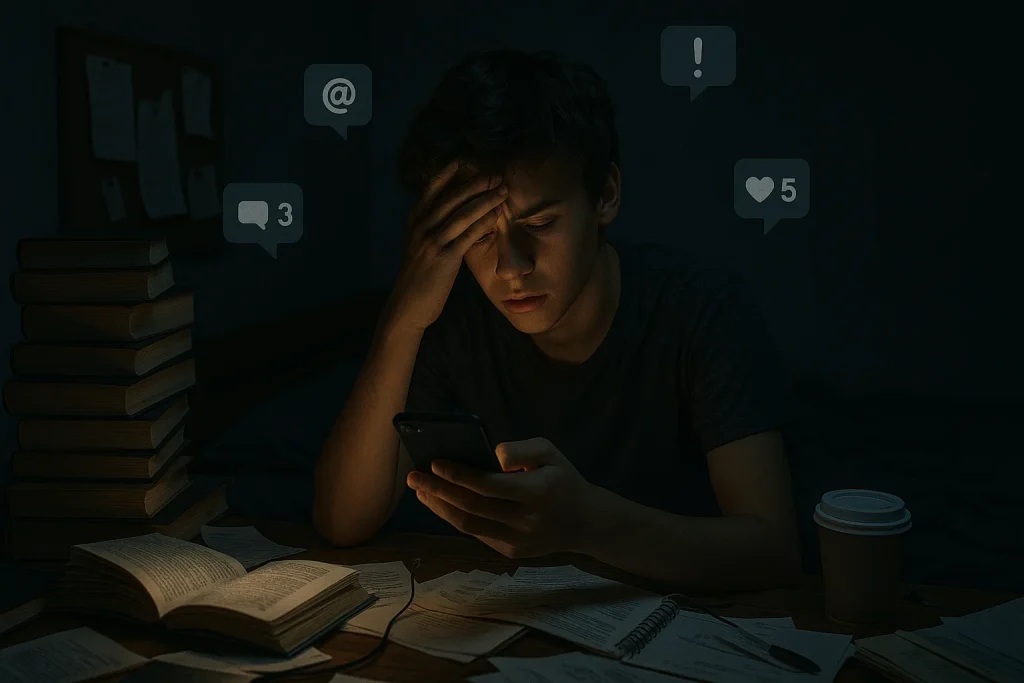
I’ve seen it all over my feed. Teens saying, “Wait, I just realized I’ve had ADHD my whole life,” stitched over some TikTok about losing your keys or zoning out in class. And honestly? Some of them are spot on. But not all of them. A lot of teens right now aren’t dealing with ADHD—they’re dealing with burnout, trauma, or a world that never lets them rest.
And look, self-awareness is good. Being curious about your brain is good. But slapping a diagnosis on yourself because you’re exhausted and scrolling TikTok at 2am isn’t always the full story.
ADHD Symptoms vs. Burnout and Overwhelm
ADHD and burnout can look eerily similar on the surface. Trouble focusing? Check. Forgetting things? Yep. Feeling emotionally all over the place? Also yes. But the root causes are different. ADHD is a neurodevelopmental condition. Burnout is your brain saying “I’m done.”
In teens, it’s tricky because they’re still figuring out who they are—while being slammed with homework, social media, future anxiety, and a post-pandemic world that doesn’t make much sense. So when they stumble across ADHD content, it can feel like a revelation.
The Role of TikTok in ADHD Self-Diagnosis
Short-form videos about ADHD are everywhere. Some are helpful, others are... chaotic. A lot of popular clips simplify ADHD into surface-level traits that anyone under stress could relate to. That doesn’t mean the content is useless—it just means we need context.
According to research from the NIH, the explosion of ADHD-related content on social platforms is leading to more awareness but also more confusion. Teens are diagnosing themselves before ever speaking to a professional.
What Teens Really Need: Safety, Space, and Support
I don’t think the answer is shaming teens for being “dramatic.” I think the answer is asking why so many of them are desperately searching for an explanation in the first place. Why do so many feel like they can’t cope? Why do they resonate so deeply with ADHD symptoms?
Sometimes the answer is ADHD. Other times it’s stress, overstimulation, anxiety, or lack of sleep. The important part is helping them explore that with care—not assumptions.
How to Approach Teen Self-Diagnosis with Curiosity
- 👂 Listen without interrupting. Let them tell their story fully.
- 💬 Ask how they relate to what they’ve seen—not if they’re “just copying TikTok.”
- 🧠 Help them track symptoms over time (journaling can help).
- 👩⚕️ Offer to find a professional together if they want clarity.
- 💡 Remind them they don’t need a label to deserve support or structure.
If you want to go deeper into the topic of how ADHD interacts with daily challenges, check out The Truth About Multitasking with ADHD.
FAQs
Q: Why are so many teens self-diagnosing ADHD?
A: Increased awareness, relatable content on TikTok, and a lack of mental health resources are pushing teens to seek answers online. Many are genuinely trying to understand their struggles.
Q: How do you tell if it’s really ADHD or just burnout?
A: ADHD is lifelong and impacts multiple areas of functioning, while burnout often comes from prolonged stress. A professional can help make the distinction through structured evaluation.
Q: Is self-diagnosing ADHD harmful?
A: It can be helpful as a starting point for self-awareness. But it becomes risky if it prevents someone from seeking a real diagnosis or if they self-treat based on misinformation.
Final Thoughts: Labels Can Help, But They’re Not the Whole Story
If you’re a teen—or you know one—who’s deep in the “Do I have ADHD?” rabbit hole, know this: whatever you’re feeling is valid. You’re not broken, lazy, or being overdramatic. Whether it’s ADHD, burnout, anxiety, or just a very tired brain, the goal isn’t a perfect label. It’s feeling better. It’s understanding yourself. And that’s worth pursuing, diagnosis or not.